How 3D Automotive Modelling Improves Product Visualisation
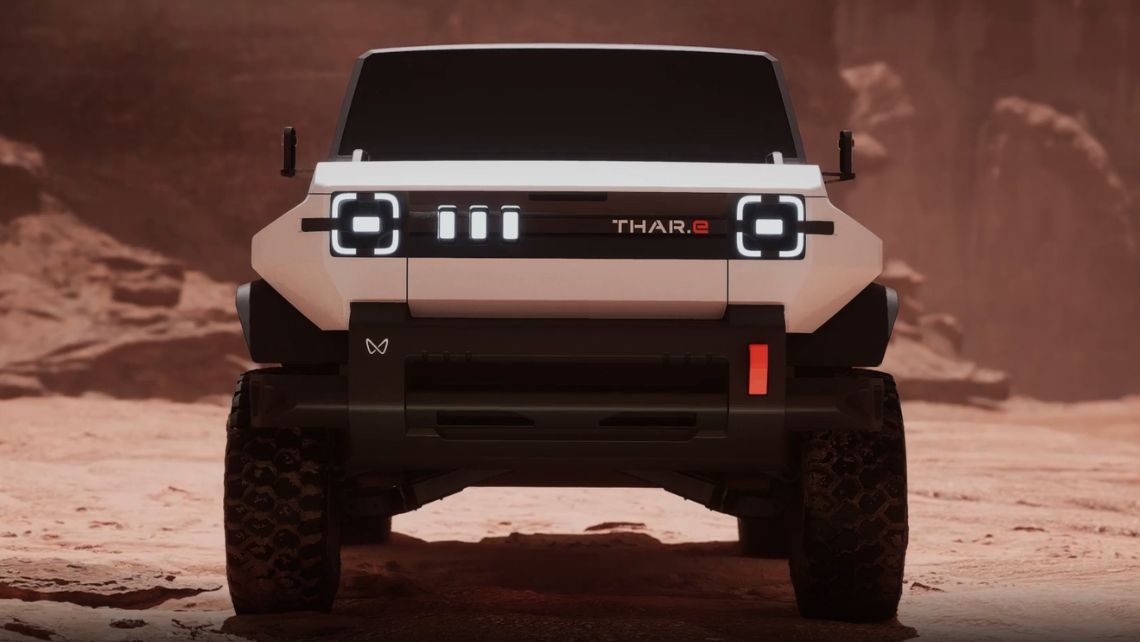
3D automotive modelling is redefining how automotive products are presented, understood, and experienced in a digital-first landscape. As expectations continue to evolve, static imagery and traditional photography are no longer enough to communicate the depth, engineering precision, and design intent behind modern vehicles.
Automotive brands now operate in an environment where visual content must be adaptable, scalable, and consistently high in quality. Rather than relying solely on physical production, digital workflows allow teams to build and refine vehicle visuals in controlled environments. This shift enables faster iteration and greater creative flexibility, particularly when working with 3D design cars that require precision across multiple formats.
At a strategic level, 3D automotive modelling supports far more than visual output. It enables teams to explore multiple design directions, test visual concepts, and create assets that can be reused across campaigns. Whether presenting a static render or developing an animated 3D car, the ability to control every detail ensures that the final result aligns with both design and marketing objectives.
The growing adoption of CGI automotive techniques has accelerated this transition. Vehicles can now be visualised before they physically exist, reducing reliance on prototypes and complex shoots. When combined with car animations, this approach adds clarity and depth, allowing audiences to better understand form, function, and performance.
As digital ecosystems continue to expand, the ability to produce high-quality, adaptable content becomes essential. This is where 3D automotive modelling continues to play a central role, bridging the gap between concept development and product communication.
Understanding 3D Automotive Modelling
What 3D Automotive Modelling Means in Modern Visualisation
3D automotive modelling is the process of creating highly detailed digital representations of vehicles using advanced modelling, texturing, and rendering techniques. These models are built with precision, allowing teams to replicate real-world design characteristics while maintaining full creative control.
Digital Precision in 3D Design Cars
In 3D design cars, every surface is carefully constructed to ensure accuracy in proportion, curvature, and detail. This level of precision allows teams to evaluate how a vehicle will appear under different conditions, long before any physical version is produced. As a result, 3D automotive modelling becomes a critical step in aligning design intent with visual output.
Flexibility Through 3D Auto Design
One of the defining strengths of 3D auto design is its flexibility. A single digital model can be adapted to showcase different finishes, configurations, or feature variations without restarting production. This adaptability allows 3D automotive modelling to support both creative exploration and efficient content production.
How It Differs from Traditional Product Visualisation Methods
Traditional visualisation methods rely heavily on physical prototypes, studio photography, and location-based shoots. While these approaches can produce strong visuals, they often limit flexibility and introduce constraints in terms of time, cost, and scalability.
Limitations of Static Visual Content
Static imagery can only communicate a limited perspective. It struggles to convey movement, interaction, and functional detail, which are often critical in automotive storytelling. In contrast, 3D automotive modelling enables more dynamic outputs that better reflect how a vehicle is experienced.
The Shift Towards CGI Automotive Workflows
With CGI automotive workflows, vehicles can be placed in any environment, under any lighting condition, without physical limitations. This opens up new creative possibilities while maintaining full control over quality and consistency. As a result, 3D automotive modelling becomes a more scalable and efficient alternative to traditional production methods.
Key Components of 3D Automotive Modelling
To understand its full impact, it is important to look at the core elements that define 3D automotive modelling and how they contribute to the final visual output.
Geometry and Surface Modelling
The process begins with building the structure of the vehicle using precise geometry. This forms the foundation for all subsequent detailing and ensures accurate proportions across different use cases.
Texturing and Material Definition
Texturing determines how surfaces interact with light. From metallic finishes to transparent materials, this stage adds realism and depth, which is essential for high-quality CGI automotive outputs.
Lighting and Rendering for Realism
Lighting plays a critical role in achieving photorealistic results. Controlled setups allow digital scenes to replicate real-world conditions with consistency, making 3D automotive modelling suitable for both marketing and design validation.
Motion Integration with Animated 3D Car Outputs
When motion is introduced, an animated 3D car becomes a more engaging visual asset. Car animations help communicate how a vehicle behaves, making it easier for audiences to understand performance, movement, and design intent in context.
Why Product Visualisation Matters in the Automotive Industry
The Shift Towards Digital-First Automotive Experiences
The automotive industry has moved decisively towards digital-first engagement, where customers often interact with a vehicle long before seeing it in person. This shift places greater emphasis on how products are presented visually, making clarity, realism, and consistency essential.
In this context, 3D automotive modelling allows brands to create assets that are not limited by physical production timelines. Instead of waiting for prototypes, teams can visualise concepts early and refine them continuously. This ensures that product communication keeps pace with development, rather than lagging behind it.
Challenges with Conventional Visual Content
Traditional visual content often struggles to meet the demands of modern automotive marketing. Physical shoots require logistics, location planning, and fixed conditions, which can limit both flexibility and scalability.
This becomes particularly restrictive when multiple variations need to be showcased. Updating colours, materials, or features can require entirely new shoots, increasing both cost and production time. In contrast, workflows built around 3D design cars allow these changes to be made digitally, without restarting the process.
Another limitation is the inability to fully explore creative scenarios. Static environments and real-world constraints can restrict how a vehicle is presented, making it harder to communicate innovation or design intent effectively.
The Growing Role of CGI Automotive Solutions
CGI automotive workflows address these challenges by removing many of the constraints associated with traditional production. Vehicles can be placed in controlled digital environments, where lighting, materials, and camera angles are fully adjustable.
This level of control allows 3D automotive modelling to support a wider range of outputs, from high-end stills to immersive car animations. It also ensures consistency across campaigns, as the same core asset can be reused and adapted for different platforms.
As expectations continue to rise, the ability to deliver high-quality, flexible visual content is no longer optional. It has become a fundamental requirement for effective product communication.
How 3D Automotive Modelling Enhances Product Visualisation
Precision and Detail in 3D Design Cars
One of the most significant advantages of 3D automotive modelling is the level of precision it brings to visualisation. Every surface, edge, and material can be refined to accurately reflect the intended design.
In 3D design cars, this precision ensures that proportions and detailing remain consistent across all outputs. Whether viewed up close or from a distance, the vehicle maintains its integrity, allowing audiences to fully appreciate the design.
This level of detail is particularly valuable when presenting new concepts, where visual clarity plays a key role in shaping perception.
Real-Time Visual Adaptability and Iteration
Another major benefit of 3D automotive modelling is the ability to iterate quickly. Changes to colours, materials, or configurations can be implemented without rebuilding the asset from scratch.
Through 3D auto design workflows, teams can test multiple variations efficiently, refining visuals based on feedback or campaign requirements. This adaptability reduces production delays and allows for more responsive decision-making.
It also supports consistency across different touchpoints, ensuring that all visual outputs align with the same underlying asset.
Photorealism Through CGI Automotive Techniques
Photorealism is a defining characteristic of modern product visualisation, and CGI automotive techniques make this possible without relying on physical environments.
By controlling lighting, reflections, and materials digitally, 3D automotive modelling can produce visuals that closely replicate real-world conditions. This makes it easier to create compelling imagery that feels authentic while remaining fully controlled.
The result is a more efficient production process that does not compromise on quality, enabling brands to maintain a high standard across all visual content.

The Role of Animation in Automotive Visualisation
How Car Animations Improve Storytelling
Static visuals can communicate form, but movement brings understanding. This is where car animations play a critical role in automotive visualisation. By introducing motion, it becomes possible to demonstrate how a vehicle behaves, rather than simply how it looks.
Through 3D automotive modelling, motion can be carefully choreographed to highlight key features such as aerodynamics, lighting systems, or mechanical components. Instead of relying on explanation alone, animation allows these elements to be experienced visually, making complex ideas easier to grasp.
This approach is particularly effective when presenting new concepts, where clarity and engagement are essential to capturing attention.
Benefits of Using an Animated 3D Car in Marketing
An animated 3D car provides a level of flexibility that traditional video production cannot easily match. Every aspect of the scene, from camera movement to environmental conditions, can be controlled and refined without the limitations of physical shooting.
This allows marketing teams to create content that feels both cinematic and precise. Whether showcasing performance, design details, or user interaction, animation ensures that each element is presented in the most effective way.
Because the underlying asset is built through 3D automotive modelling, the same model can be reused across multiple campaigns, maintaining consistency while adapting to different messaging needs.
Integrating Motion into 3D Auto Design
Motion is no longer a separate stage added at the end of production. Instead, it is increasingly integrated into the design process itself. Within 3D auto design, teams can explore how a vehicle will appear in motion from the early stages, allowing for more informed creative decisions.
This integration ensures that both static and animated outputs remain aligned, as they are built from the same core asset. It also allows for smoother transitions between different types of content, from still renders to full motion sequences.
As expectations continue to rise, the combination of 3D automotive modelling and animation is becoming essential for delivering engaging and informative visual experiences.
Applications of 3D Automotive Modelling Across Touchpoints
Product Launch Campaigns and Digital Showrooms
Product launches require visuals that are both impactful and adaptable. With 3D automotive modelling, brands can create a complete set of assets before a vehicle is physically available, ensuring that campaigns are ready to go at launch.
In digital showrooms, this approach allows vehicles to be presented in highly controlled environments. Lighting, angles, and compositions can be optimised to highlight key features, creating a consistent and premium visual experience.
This also enables the same asset to be used across multiple channels, reducing duplication while maintaining quality.
Configurators and Interactive Experiences
Modern audiences expect a more interactive approach to product exploration. Configurators and digital tools allow users to customise vehicles in real time, selecting colours, materials, and features based on their preferences.
This is made possible through 3D automotive modelling, where a single asset can support multiple variations without the need for separate production. As users interact with the model, changes are reflected instantly, creating a more engaging and personalised experience.
These interactive applications also benefit from the precision of CGI automotive techniques, ensuring that every variation remains visually accurate and consistent.
Social Media and Advertising Visual Content
Social media and digital advertising demand a constant flow of high-quality content. Traditional production methods can struggle to keep up with this pace, particularly when multiple formats and variations are required.
By using 3D automotive modelling, brands can generate a wide range of assets from a single source. This includes still visuals, short-form car animations, and dynamic sequences tailored for different platforms.
Because everything is built within a controlled digital environment, content can be adapted quickly without compromising on quality. This makes it easier to maintain a consistent visual identity while responding to evolving campaign needs.
Workflow Behind High-Quality 3D Automotive Modelling
From Concept to Final Render
Creating high-quality visual outputs requires a structured workflow where each stage builds on the last. 3D automotive modelling is not a single step but a layered process that combines technical precision with creative direction.
Asset Creation and Modelling
The process begins with asset creation, where the vehicle is built digitally with accurate proportions and surface detail. This stage defines the foundation for everything that follows, ensuring that the model reflects the intended design language.
Through structured modelling techniques, teams can create assets that are suitable for both static and animated use. This is particularly important when the same model needs to support multiple outputs, from still visuals to car animations.
Texturing, Lighting, and Rendering
Once the structure is complete, materials and lighting are introduced to bring the model to life. Texturing defines how surfaces interact with light, while lighting setups establish mood, clarity, and realism.
Rendering then transforms the digital model into final visual outputs. Whether producing stills or sequences, this stage ensures that the results meet the required level of photorealism expected from CGI automotive workflows.
Importance of Specialist Automotive Visualisation Expertise
While the tools used in 3D automotive modelling are widely available, achieving consistent, high-quality results requires specialist expertise. Automotive visuals demand a deep understanding of materials, reflections, and form, as even small inaccuracies can affect the final perception.
This is where working with a dedicated team becomes critical. Through automotive visualisation expertise, projects are approached with a clear focus on accuracy, scalability, and storytelling. The goal is not just to create visuals, but to ensure they align with both design intent and marketing objectives.
By combining technical workflows with creative direction, 3D automotive modelling becomes a reliable foundation for producing content that performs across multiple platforms.
How Immersive Studio Delivers Advanced Automotive Visualisation
Strategic Approach to 3D Automotive Modelling
A strong visual outcome begins with a clear strategy. Rather than treating visuals as isolated deliverables, 3D automotive modelling is approached as part of a broader content ecosystem.
This means considering how assets will be used across campaigns, platforms, and formats from the outset. By planning ahead, it becomes possible to create visuals that are not only high in quality but also adaptable and reusable.
Leveraging 3D Product Animation and Asset Creation
To support this approach, structured pipelines are essential. Through 3D product animation and asset creation, assets are developed with flexibility in mind, ensuring they can be used across both static and motion-based outputs.
This allows a single model to evolve into multiple deliverables, including still renders, car animations, and fully realised animated 3D car sequences. By building everything from a unified source, consistency is maintained while production efficiency improves.
Showcasing Automotive Innovation Through Visual Storytelling
The true value of 3D automotive modelling is realised when it is used to communicate ideas clearly and effectively. Visual storytelling allows complex design concepts to be presented in a way that feels intuitive and engaging.
A strong example of this approach can be seen in the Mahindra Rise BE RALL-E showcase. This project demonstrates how detailed modelling, controlled environments, and carefully directed motion can work together to present a vehicle with clarity and impact.
Rather than relying on traditional methods, the focus is on creating visuals that adapt to different contexts while maintaining a consistent level of quality. This reflects how 3D automotive modelling can support both creative exploration and practical execution within modern automotive communication.
Wrapping Up
3D automotive modelling has become a fundamental part of how modern vehicles are visualised, communicated, and understood. As the industry continues to shift towards digital-first experiences, the need for flexible, high-quality visual content is only increasing.
What makes this approach so effective is its ability to combine precision with adaptability. From early-stage design exploration to final marketing outputs, 3D automotive modelling enables teams to maintain control over every detail while responding quickly to changing requirements. This ensures that visual content remains consistent, scalable, and aligned with both creative and commercial goals.
The integration of CGI automotive techniques, along with the growing use of car animations, has further expanded what is possible. Instead of being limited by physical production, brands can now create immersive experiences that clearly communicate form, function, and innovation. Whether through still visuals or an animated 3D car, the focus is on delivering clarity and impact at every touchpoint.
As expectations continue to rise, the role of 3D automotive modelling will only become more central. It is no longer just a tool for visualisation, but a strategic asset that supports design, marketing, and customer engagement in a unified way.
Frequently Asked Questions - 3D Automotive Modelling
What is 3D automotive modelling used for?
3D automotive modelling is used to create highly detailed digital representations of vehicles for a wide range of applications, including design development, marketing campaigns, and interactive experiences. It allows teams to visualise vehicles before they are physically produced, making it easier to test ideas and refine designs. Beyond static imagery, it also supports car animations and immersive content that help communicate how a vehicle looks and performs. At Immersive Studio, this approach is used to build scalable visual assets that can be adapted across multiple platforms while maintaining consistency and quality.
How does 3D automotive modelling improve product visualisation?
3D automotive modelling improves product visualisation by offering complete control over every visual element, from materials and lighting to camera angles and environments. Unlike traditional methods, it allows changes to be made quickly without reshooting or rebuilding physical setups. This makes it easier to present multiple variations of a vehicle while maintaining a consistent look. It also enables the creation of photorealistic CGI automotive content and motion-based outputs, helping audiences better understand both design and functionality in a more engaging way.
What is the difference between CGI automotive and traditional photography?
The main difference lies in flexibility and control. Traditional photography depends on physical vehicles, locations, and lighting conditions, which can limit what is possible. CGI automotive, on the other hand, is created entirely in a digital environment, allowing for complete control over every aspect of the visual. This means vehicles can be showcased in any setting, with precise lighting and perfect conditions every time. When combined with 3D automotive modelling, CGI eliminates many production constraints while maintaining a high level of realism and consistency.
How are car animations used in automotive marketing?
Car animations are used to demonstrate features, performance, and design details in a way that static visuals cannot. They allow viewers to see how a vehicle moves, how components function, and how different elements interact. This makes complex ideas easier to understand and more engaging to watch. Through 3D automotive modelling, these animations are built from accurate digital assets, ensuring that every movement reflects the intended design. This approach helps create more compelling marketing content that captures attention and communicates value effectively.
What software is used for 3D design cars?
A range of advanced software tools are used for 3D design cars, including modelling, texturing, and rendering platforms. These tools enable the creation of precise geometry, realistic materials, and controlled lighting environments. However, the software itself is only part of the process. The quality of the final output depends on how these tools are used within a structured workflow. At Immersive Studio, the focus is on combining technical expertise with creative direction to ensure that every 3D automotive modelling project delivers accurate and visually compelling results.
How long does it take to create an animated 3D car?
The time required to create an animated 3D car can vary depending on the level of detail, complexity, and scope of the project. A simple animation may take a shorter timeframe, while more advanced sequences involving detailed environments, lighting setups, and multiple scenes can take longer. Because 3D automotive modelling builds a reusable digital asset, much of the initial effort goes into creating a high-quality base model. Once that is established, additional animations and variations can be produced more efficiently, reducing overall production time in the long run.
Is 3D auto design cost-effective for automotive brands?
3D auto design can be highly cost-effective, particularly when compared to traditional production methods that require physical prototypes, locations, and repeated shoots. While there is an upfront investment in creating the digital asset, this cost is offset by the ability to reuse and adapt the model across multiple campaigns. 3D automotive modelling also reduces the need for reshoots and allows changes to be made quickly, saving both time and resources. Over time, this makes it a more efficient and scalable solution for ongoing visual content needs.
Can 3D automotive modelling be used for interactive experiences?
Yes, 3D automotive modelling is widely used to power interactive experiences such as configurators, virtual showrooms, and digital product demonstrations. These experiences allow users to explore vehicles in detail, customise features, and view different configurations in real time. Because the underlying asset is built with precision, every interaction remains visually accurate and consistent. At Immersive Studio, this capability is used to create engaging experiences that go beyond static visuals, helping users connect with products in a more meaningful and intuitive way.