What is Immersive Technology and Why it Matters to UK
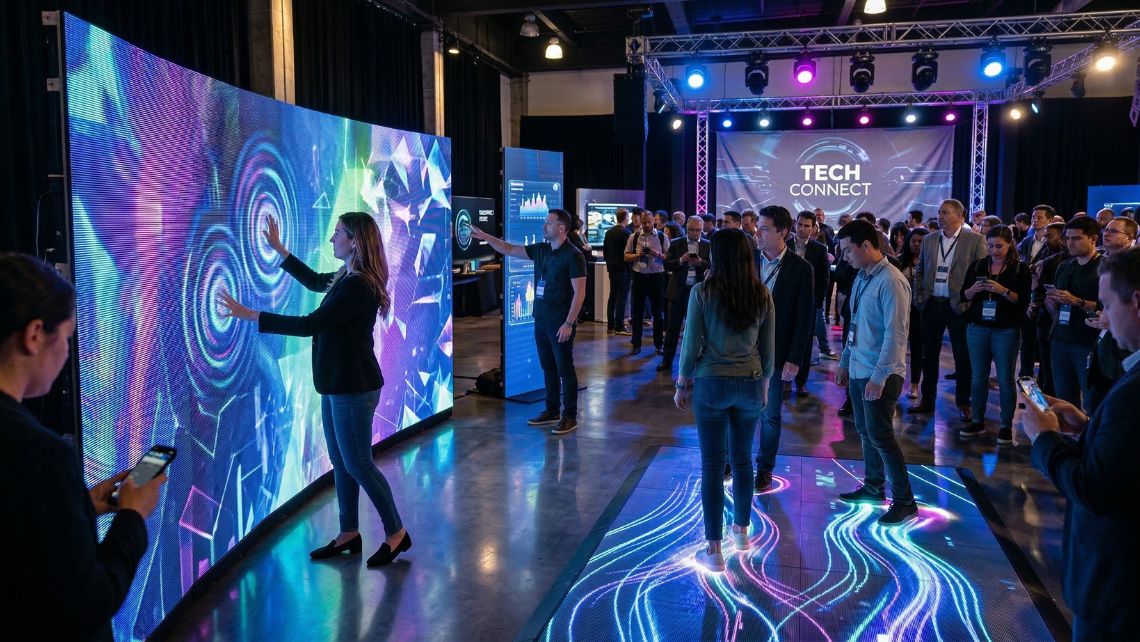
Immersive technology is transforming how people across the UK interact with digital content by moving experiences beyond flat screens and into more engaging, spatial environments. Instead of simply viewing information, users are increasingly able to explore, interact with, and understand digital content in ways that feel more natural and intuitive.
In the UK, immersive technology is becoming a practical tool rather than an experimental one. Businesses are using it to communicate ideas more clearly, while consumers are developing higher expectations for meaningful digital interaction. At the same time, immersive technology is supporting wider national goals around innovation, digital maturity, and economic resilience.
This article explains what immersive technology is and why it matters to the UK, focusing on its influence on business practices, consumer experience, and the country’s evolving digital future.
Immersive Technology and the Foundations of Digital Experience
Immersive technology refers to digital experiences that create a strong sense of presence, allowing users to feel actively involved rather than passively observing. Instead of simply receiving information, people interact with content in a spatial and often intuitive way. This fundamental difference is what sets immersive technology apart from traditional digital formats.
From Screen-Based Interaction to Spatial Engagement
Traditional digital experiences are built around screens, menus, and linear navigation. Immersive technology changes this structure by placing information into a three-dimensional or context-aware environment. Users engage with content by looking around, moving through space, or interacting with digital elements as if they exist around them. This approach aligns more closely with how people naturally perceive and understand the world.
In a UK context, this shift is significant because it reduces cognitive effort. When information is experienced rather than explained, understanding becomes faster and more confident. Immersive technology supports this by presenting ideas visually and spatially, which can be especially valuable when clarity and accuracy matter.
Presence, Interaction, and Meaningful Engagement
At the core of immersive technology are three connected principles: presence, interaction, and engagement. Presence creates the feeling of being within a digital environment. Interaction allows users to influence what happens around them. Engagement emerges when those interactions feel purposeful and relevant. Together, these elements transform digital experiences from something that is consumed into something that is participated in.
For UK businesses and organisations, immersive technology provides a way to communicate messages with greater impact. When users feel present within an experience, they are more likely to remember information and trust what they are seeing. This makes immersive technology a powerful foundation for digital experiences that aim to inform, persuade, or educate.
A Structural Shift Rather Than a Passing Trend
Immersive technology should not be viewed as a short-term innovation cycle. It represents a structural evolution in how digital systems are designed and used. As hardware becomes more accessible and software more refined, immersive technology is integrating naturally into existing digital ecosystems rather than replacing them.
In the UK, this integration supports long-term digital resilience. Immersive technology enhances existing processes by adding depth and context, rather than forcing radical behavioural change. This is why its relevance continues to grow across sectors, audiences, and use cases, forming a stable foundation for the next generation of digital experience design.
Core Types of Immersive Technology Shaping the UK Landscape
Immersive technology in the UK is not a single tool or format. It exists as a group of closely related approaches that redefine how digital content is experienced. Each type of immersive technology contributes differently to engagement, understanding, and interaction, depending on the level of immersion required and the context in which it is used.
Augmented Reality as a Layered Digital Interface
Augmented reality introduces digital content into the real world, allowing users to view information, visuals, or instructions layered directly onto their physical surroundings. This form of immersive technology enhances reality rather than replacing it, making it especially effective where context matters. Users remain aware of their environment while gaining additional insight that would be difficult to communicate through text or images alone.
In the UK, augmented reality is particularly valuable for organisations that need to explain products, processes, or spaces clearly and efficiently. Immersive technology in this form supports real-time understanding and reduces ambiguity by placing information exactly where it is needed. Immersive Studio’s augmented reality app development services are designed around this principle, focusing on intuitive experiences that feel natural to use and easy to adopt within existing digital ecosystems.
Virtual Reality as a Fully Immersive Environment
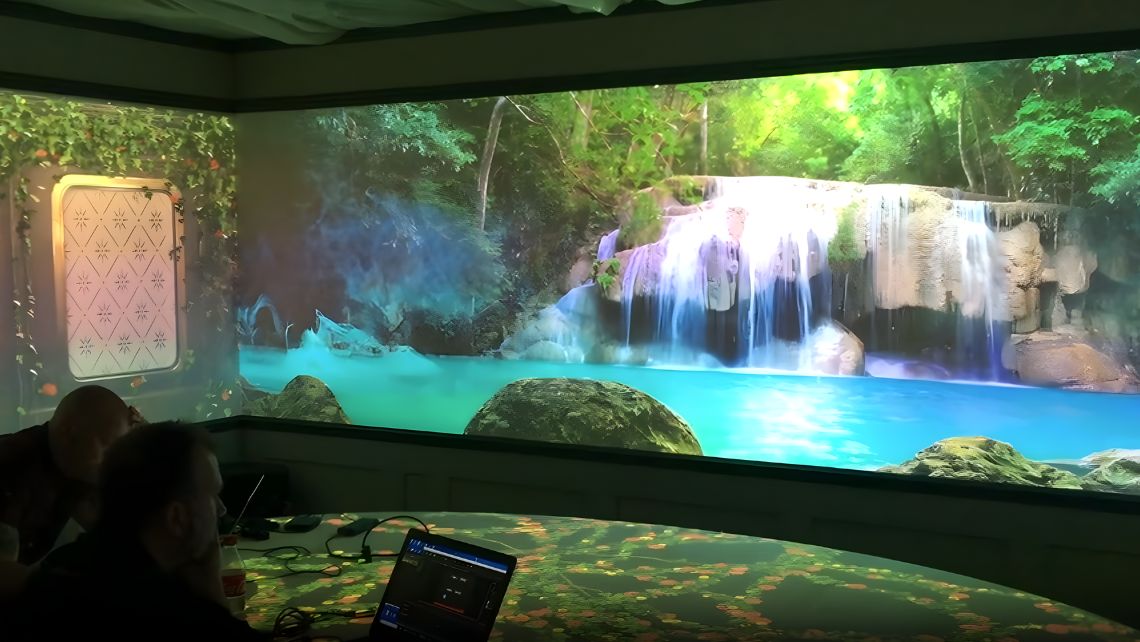
Virtual reality represents a deeper level of immersive technology by placing users inside a fully digital environment. The physical world is replaced with a simulated space where attention is focused entirely on the experience. This approach is particularly effective when complete immersion is required to support understanding, exploration, or emotional engagement.
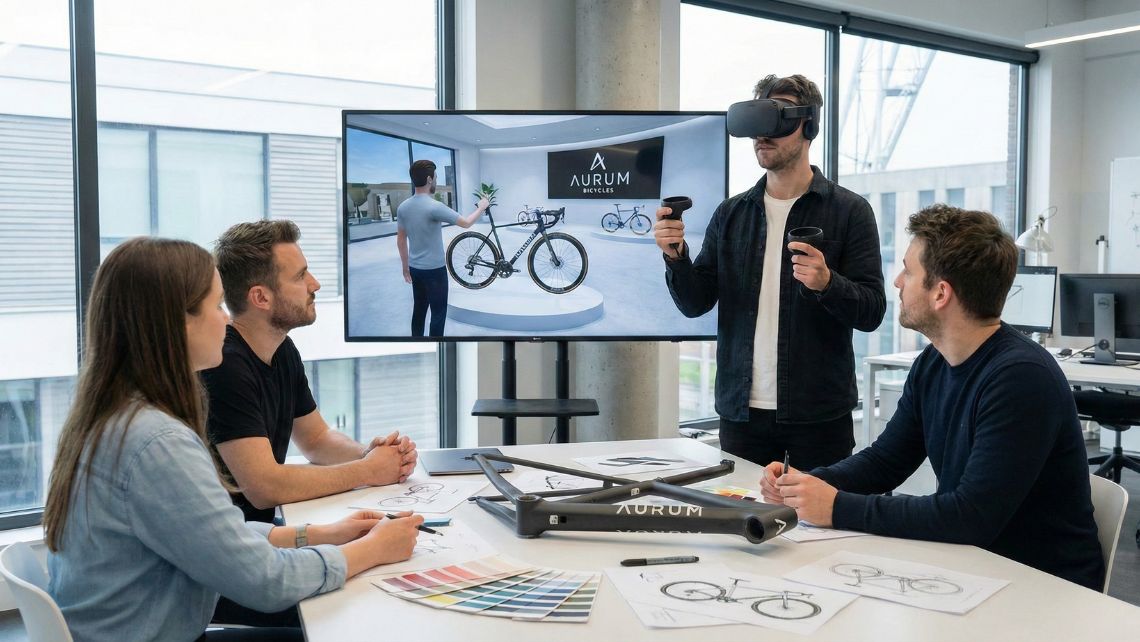
For UK businesses, immersive technology delivered through virtual reality allows complex ideas to be experienced rather than described. Users can move through environments, observe details from multiple perspectives, and interact with digital elements in a controlled setting. Immersive Studio’s virtual reality services are built to support this level of immersion while ensuring experiences remain purposeful, accessible, and aligned with real-world objectives.
Mixed Reality and the Continuum of Immersion
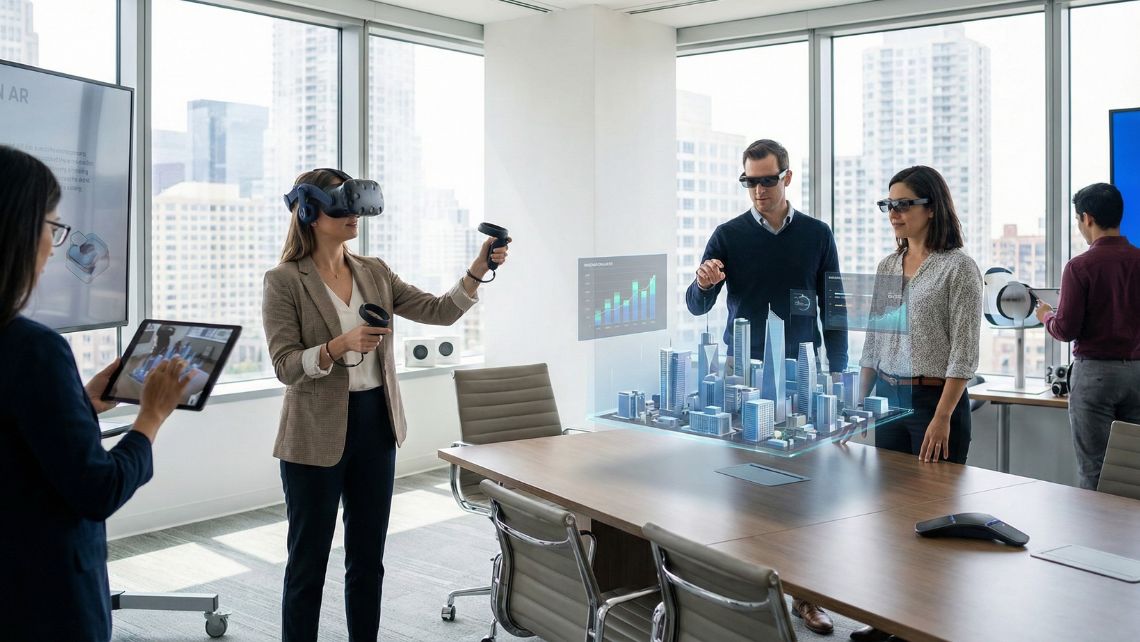
Between augmented reality and virtual reality sits a broader spectrum often described as mixed reality. Rather than treating immersive technology as separate categories, this perspective recognises that immersion can be adjusted to suit different needs. Digital and physical elements interact dynamically, allowing experiences to shift fluidly between enhancement and full immersion.
This continuum is important for the UK market because it supports scalability. Immersive technology can be introduced gradually, layered onto existing processes, or deployed as a standalone experience. This flexibility makes immersive technology more sustainable and strategically valuable over time.
Why Immersive Technology Matters to UK Businesses
Immersive technology is becoming increasingly relevant to UK businesses because it addresses a growing challenge: how to communicate clearly in a crowded and complex digital landscape. As information overload increases, immersive technology offers a way to simplify understanding without reducing depth or accuracy.
Changing How Organisations Communicate Value
Many organisations struggle to convey value through traditional digital channels alone. Immersive technology changes this by allowing people to experience ideas directly. Instead of explaining how something works, businesses can show it in a way that feels tangible and engaging.
In the UK, this shift supports stronger relationships between organisations and their audiences. Immersive technology helps messages land more effectively by reducing reliance on abstraction. When value is experienced rather than interpreted, confidence and clarity improve naturally.
Decision-Making, Confidence, and Engagement
Effective decision-making relies on understanding. Immersive technology supports this by presenting information in a way that mirrors real-world interaction. Users can explore details at their own pace, focus on what matters most to them, and gain a clearer sense of scale, function, or impact.
For UK businesses, immersive technology leads to more informed engagement. When people feel confident in what they are seeing, they are more likely to trust the information presented. This trust strengthens engagement and supports better outcomes across a wide range of digital touchpoints.
Competitive Differentiation in a Digitally Mature Market
The UK is a digitally mature market where audiences are accustomed to polished online experiences. Immersive technology provides a way for businesses to differentiate without relying on excessive complexity. It allows organisations to stand out through clarity, relevance, and meaningful interaction.
Rather than being reserved for large enterprises, immersive technology can be adapted to different scales and objectives. This makes it a practical tool for organisations looking to innovate responsibly while maintaining focus on real business value.
The Impact of Immersive Technology on UK Consumers
Immersive technology is changing how consumers in the UK engage with digital content by shifting expectations around interaction, clarity, and control. As people become more comfortable navigating digital environments, immersive technology offers experiences that feel more intuitive and responsive to individual needs.
Shifting Expectations Around Digital Interaction
Consumers are increasingly expecting digital experiences to feel seamless and meaningful. Immersive technology supports this expectation by allowing users to engage with content in a way that mirrors real-world exploration. Rather than following rigid pathways, people can move through information naturally and focus on what matters most to them.
In the UK, this has led to a growing preference for experiences that feel informative without being overwhelming. Immersive technology enables this balance by presenting information visually and spatially, helping users build understanding through interaction rather than instruction.
Trust, Understanding, and Emotional Connection
Trust plays a central role in how consumers respond to digital experiences. Immersive technology helps build this trust by reducing uncertainty and increasing transparency. When users can explore digital content from multiple perspectives, they gain confidence in what they are seeing and how it relates to their own needs.
Emotional connection is also strengthened through immersive technology. Experiences that feel present and engaging are more likely to leave a lasting impression. For UK consumers, this sense of involvement transforms digital interaction from a transactional process into a more meaningful exchange.
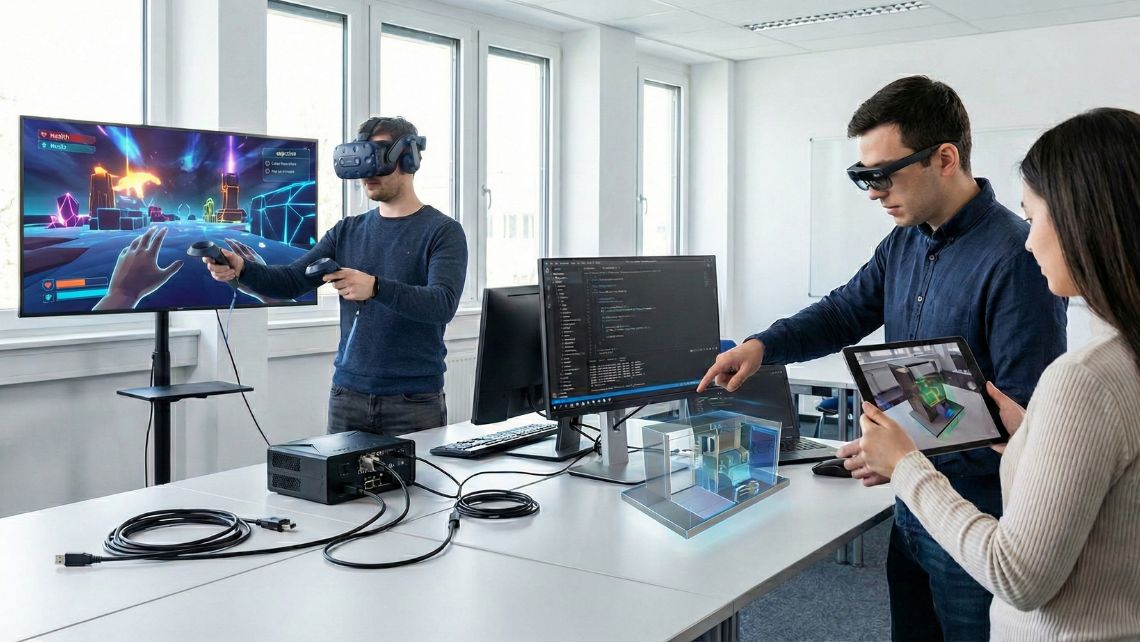
Immersive Technology and the UK’s Digital Economy
Immersive technology is becoming an important contributor to the UK’s digital economy by supporting innovation, skills development, and long-term productivity. As digital infrastructure continues to evolve, immersive technology provides new ways to build capability and resilience across sectors.
Skills, Talent, and Workforce Readiness
The future of work in the UK depends on how effectively people can learn, adapt, and apply new skills. Immersive technology supports this by creating environments where learning feels active and contextual. Instead of absorbing information passively, individuals can engage with knowledge in ways that reinforce understanding and retention.
This approach helps organisations prepare for change by making complex concepts easier to grasp. Immersive technology supports workforce readiness by aligning learning experiences more closely with real-world application, which is increasingly important in a rapidly evolving digital economy.
Innovation, Productivity, and Economic Resilience
Innovation thrives when ideas can be explored and tested with clarity. Immersive technology enables this by allowing digital concepts to be experienced before they are fully realised. This reduces uncertainty and supports more confident decision-making.
For the UK, immersive technology contributes to productivity by streamlining communication and improving comprehension. Over time, this strengthens economic resilience by enabling organisations to adapt more efficiently and invest in digital solutions that deliver lasting value.
Responsible and Ethical Considerations in Immersive Technology
As immersive technology becomes more integrated into digital systems across the UK, responsibility and ethics play an increasingly important role in how experiences are designed and delivered. Immersive technology has a unique ability to influence perception and behaviour, which makes thoughtful implementation essential.
Data, Privacy, and User Control
Immersive technology often relies on interaction data to function effectively. This can include movement, behaviour, and engagement patterns within digital environments. In the UK, maintaining trust requires that immersive technology experiences are transparent about how data is used and give users meaningful control over their interactions.
Responsible immersive technology design prioritises clarity and consent. When users understand how their data supports the experience, confidence increases and long-term adoption becomes more sustainable. Ethical approaches to immersive technology also ensure that personal information is protected without limiting functionality.
Accessibility, Inclusion, and Wellbeing
For immersive technology to deliver real value, it must be accessible to a wide range of users. Design decisions should consider different physical abilities, levels of digital familiarity, and comfort with immersive environments. In the UK, inclusive immersive technology supports broader participation in digital experiences.
Wellbeing is another critical consideration. Immersive technology should enhance engagement without causing discomfort or fatigue. Thoughtful pacing, intuitive interaction, and clear exit points help ensure immersive technology remains positive and supportive rather than overwhelming.
The Future Direction of Immersive Technology in the UK
Immersive technology in the UK is moving from early experimentation toward long-term integration. As organisations gain confidence in its value, immersive technology is becoming part of everyday digital infrastructure rather than a standalone innovation.
From Experimentation to Embedded Systems
Early adoption of immersive technology often focused on novelty. Today, the focus is shifting toward usefulness and scalability. Immersive technology is increasingly embedded within existing platforms and workflows, allowing it to enhance processes without disrupting them.
This transition supports consistency and reliability. When immersive technology becomes part of routine digital interaction, its impact grows steadily rather than dramatically, reinforcing trust and familiarity among users.
Long-Term Value Through Strategic Design
The future success of immersive technology in the UK depends on strategy rather than spectacle. Experiences designed with clear objectives are more likely to deliver lasting benefits. Immersive technology should be aligned with organisational goals, user needs, and technical capability from the outset.
As immersive technology continues to evolve, its role will be defined by how effectively it supports understanding, engagement, and decision-making. In this way, immersive technology becomes not just a tool, but a foundational element of the UK’s digital future.
Wrapping Up
Immersive technology has become a defining force in how digital experiences are created and understood across the UK. What sets immersive technology apart is its ability to move beyond explanation and into experience, allowing people to engage with information in a way that feels natural, intuitive, and meaningful. This shift is not about replacing existing digital tools, but about strengthening them through depth, context, and presence.
For businesses, immersive technology offers clearer communication and stronger engagement. For consumers, immersive technology creates confidence, understanding, and emotional connection. At a national level, immersive technology supports innovation, productivity, and long-term digital resilience. As adoption continues to grow, immersive technology will increasingly shape how the UK learns, communicates, and competes in a global digital economy.
The importance of immersive technology lies not in spectacle, but in strategy. When designed responsibly and implemented with purpose, immersive technology becomes a powerful foundation for the future of digital interaction in the UK.
Frequently Asked Questions - VR Virtual Reality
What is immersive technology in simple terms?
Immersive technology refers to digital experiences that make people feel actively involved rather than passively observing. Instead of viewing information on a flat screen, immersive technology allows users to interact with content in a way that feels spatial and engaging. This might involve placing digital elements into real-world surroundings or stepping inside a fully digital environment. The defining feature of immersive technology is presence, where users feel connected to what they are experiencing. In the UK, immersive technology is increasingly used to make complex ideas easier to understand, helping people explore information at their own pace and from multiple perspectives. This approach improves clarity, confidence, and overall engagement with digital content.
How is immersive technology used by businesses in the UK?
Businesses in the UK use immersive technology to communicate ideas more clearly and engage audiences more effectively. Immersive technology allows organisations to show rather than tell, which is especially valuable when explaining detailed processes, products, or environments. By enabling users to explore information interactively, immersive technology reduces misunderstanding and builds trust. It is often used to improve customer engagement, support internal communication, and enhance learning experiences. The value of immersive technology lies in its ability to simplify complexity while maintaining depth, making it a practical digital tool rather than a novelty.
What is the difference between augmented reality and virtual reality?
Augmented reality and virtual reality are both forms of immersive technology, but they differ in how they engage with the physical world. Augmented reality adds digital elements to real-world surroundings, allowing users to remain aware of their environment while receiving additional information. Virtual reality, on the other hand, replaces the physical world with a fully digital environment, creating complete immersion. In the UK, both approaches are used depending on the level of immersion required. Immersive technology exists on a spectrum, and choosing the right approach depends on context, audience, and objective.
Why is immersive technology important for the UK economy?
Immersive technology supports the UK economy by driving innovation, improving productivity, and strengthening digital capability. By making learning, communication, and decision-making more effective, immersive technology helps organisations operate more efficiently. It also supports workforce development by enabling experiential learning that improves understanding and retention. As immersive technology becomes more widely adopted, it contributes to economic resilience by helping businesses adapt to change and invest in future-ready digital solutions. This makes immersive technology a strategic asset rather than a short-term trend.
How does immersive technology improve customer engagement?
Immersive technology improves customer engagement by making digital experiences more interactive and memorable. When people can explore information in a spatial and intuitive way, they are more likely to understand and trust what they are seeing. Immersive technology allows users to control their experience, which increases confidence and satisfaction. In the UK, this approach aligns with growing expectations for meaningful digital interaction. By creating a sense of involvement, immersive technology transforms engagement from passive consumption into active participation.
Is immersive technology only suitable for large organisations?
Immersive technology is not limited to large organisations. While enterprise adoption is common, immersive technology can be scaled to suit different budgets and objectives. In the UK, smaller organisations can use immersive technology strategically to communicate value more clearly and stand out in competitive markets. The key is purposeful design rather than size or complexity. When immersive technology is aligned with clear goals, it can deliver significant impact regardless of organisational scale.
What industries benefit most from immersive technology in the UK?
Many industries in the UK benefit from immersive technology because it enhances understanding and engagement across a wide range of contexts. Any sector that relies on clear communication, learning, or decision-making can gain value from immersive technology. Its flexibility allows it to adapt to different needs, audiences, and environments. Rather than being industry-specific, immersive technology is best understood as a capability that strengthens digital experiences wherever clarity and confidence are essential.