The Science Behind Why Immersive Experiences Create Stronger Memories
Think back to an event, attraction, or experience that you’ve never forgotten.
Perhaps it was a concert.
A sporting event.
A holiday adventure.
A memorable team-building activity.
Or perhaps it was a moment where you felt completely immersed in what was happening around you.
Chances are, you don’t remember it because someone handed you a brochure or showed you a presentation.
You remember it because you experienced it.
This difference is at the heart of why immersive experiences have become such a powerful tool for entertainment venues, brands, events, and corporate organisations.
When people actively participate in an experience, they often remember more, engage more deeply, and create stronger emotional connections than they do through traditional forms of communication.
It’s not just marketing hype.
There’s real psychology behind it.
Why We Remember Experiences More Than Information
Every day, people are exposed to enormous amounts of information.
Advertisements.
Emails.
Social media posts.
Presentations.
Product messages.
Much of that information is quickly forgotten.
Why?
Because passive exposure rarely creates a meaningful connection.
Experiences are different.
When we participate in something, our brains process multiple forms of input simultaneously:
✅ Visual information
✅ Sound
✅ Movement
✅ Interaction
✅ Decision-making
✅ Social engagement
The more senses involved, the richer the experience becomes.
The richer the experience, the more likely it is to be remembered.
Participation Changes Everything
Imagine attending a conference.
During one session, you sit and listen to a presentation.
During another session, you’re placed inside an immersive challenge where you must work with colleagues to achieve a goal.
Which experience are you likely to remember more clearly a week later?
For most people, the answer is obvious.
The difference lies in participation.
Passive activities require relatively little involvement.
Immersive experiences require action.
Participants make decisions.
Respond to situations.
Interact with their surroundings.
Solve problems.
When people become part of the experience, they become more invested in the outcome.
And investment drives memory.
Emotion Plays a Powerful Role
One of the strongest drivers of long-term memory is emotion.
Think about the experiences that stand out most in your life.
They are often connected with:
- Excitement
- Achievement
- Surprise
- Competition
- Curiosity
- Discovery
Immersive experiences naturally create these emotional responses.
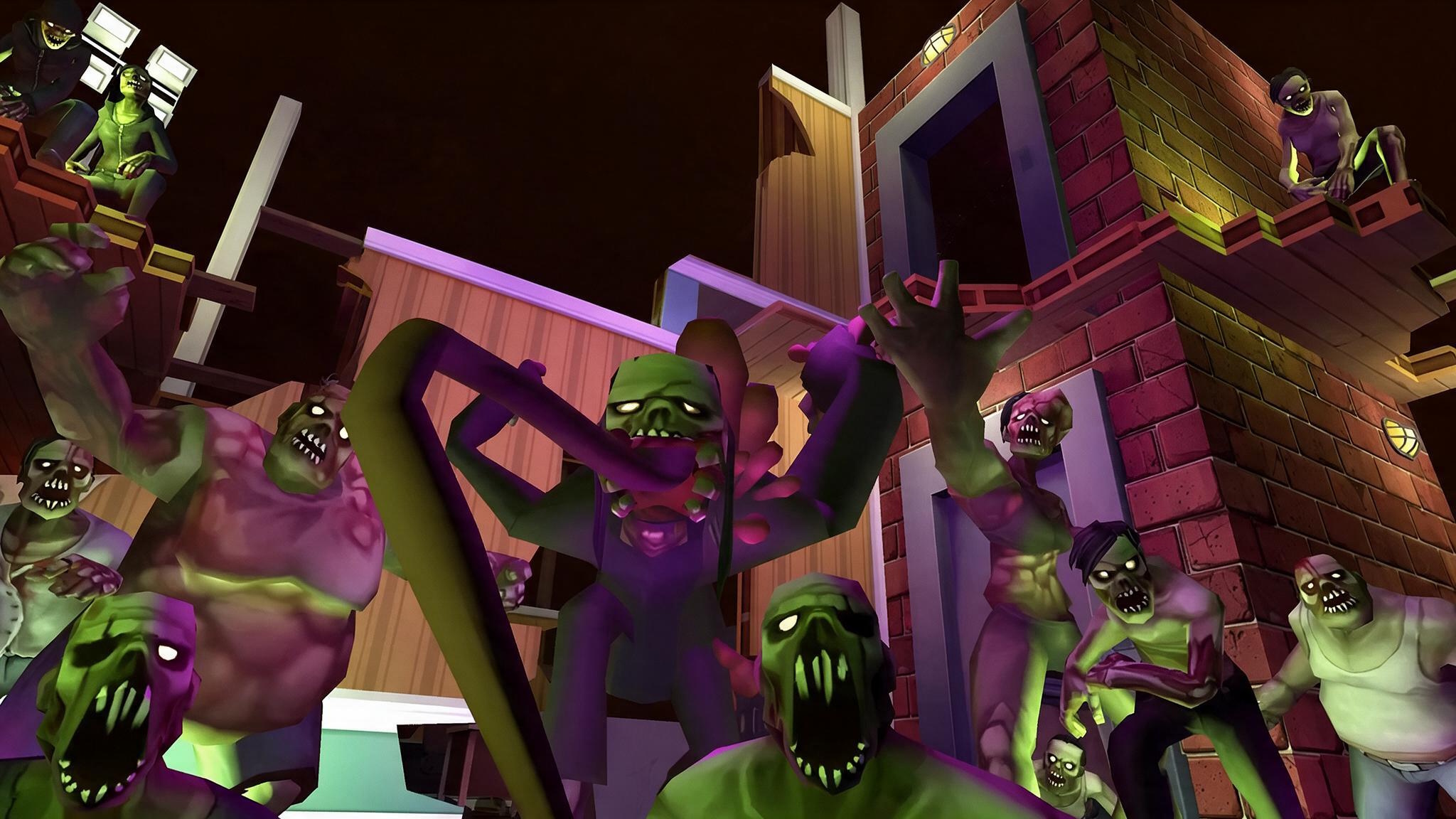
A thrilling virtual adventure.
A competitive team challenge.
A collaborative mission with colleagues.
A product launch that allows attendees to step inside a brand story.
These moments create emotional engagement, helping experiences remain memorable long after they have ended.
Shared Experiences Create Stronger Connections
Humans are social by nature.
Many of our strongest memories involve other people.
This is one reason why group experiences are so effective.
When teams work together to solve challenges or complete missions, participants create shared stories.
Months later, people may not remember every detail of an event agenda.
But they remember:
🚀 The challenge they completed together
🏆 The moment they won
😂 The unexpected things that happened
🤝 The people they shared the experience with
These collective memories strengthen relationships while making the experience far more memorable.
Why Immersion Captures Attention
Attention is one of the most valuable resources in modern life.
Every business, brand, and event organiser is competing for it.
The challenge is that distractions are everywhere.
Phones vibrate.
Emails arrive.
Conversations happen.
Immersive experiences reduce these distractions.
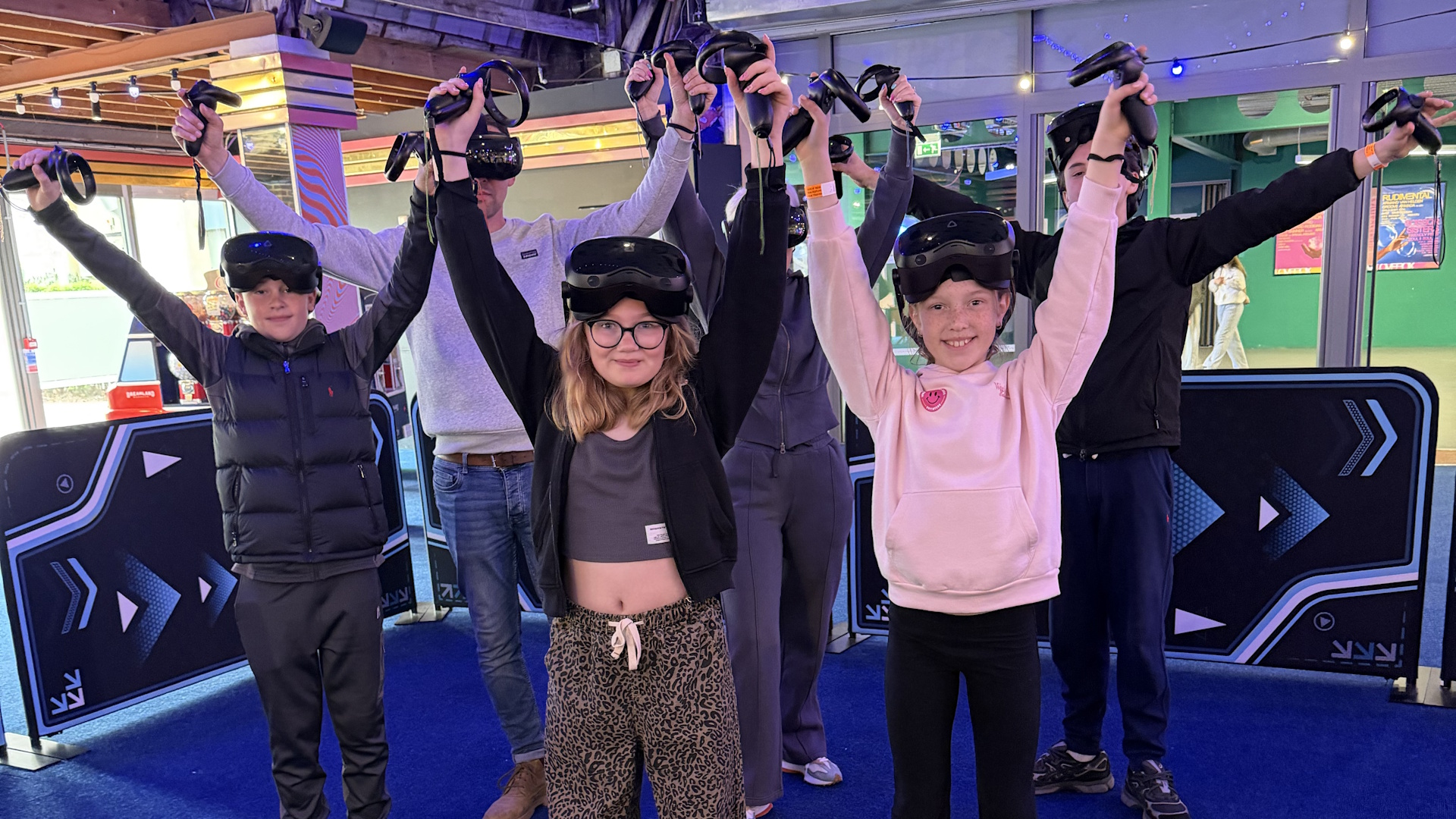
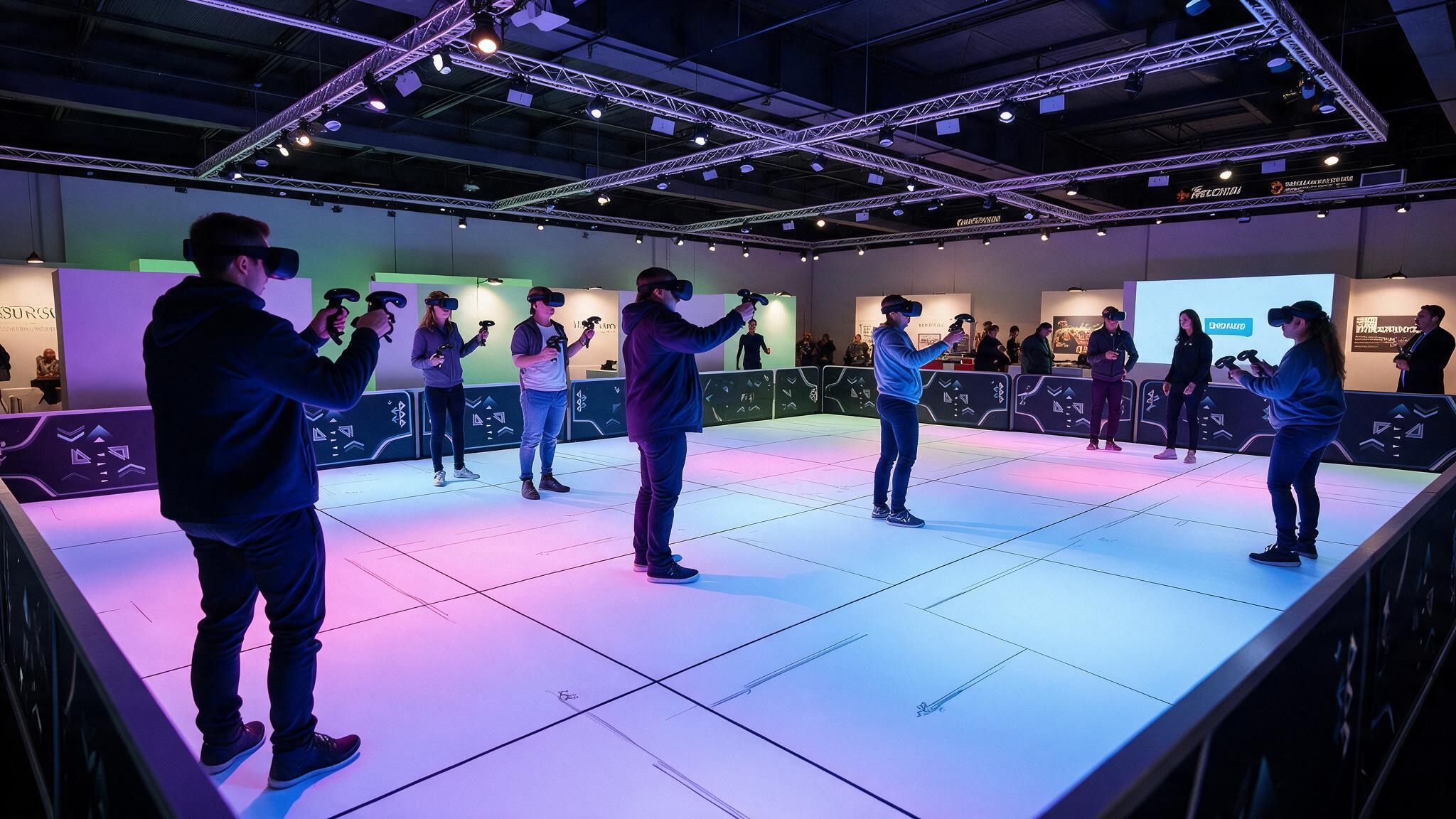
Whether someone is inside a Free Roam VR experience, participating in an interactive attraction, or engaging with a digital environment, they are fully focused on the task in front of them.
For a brief period, the outside world disappears.
This focused attention significantly increases engagement.
And engagement increases memory.
Active Learning Is More Effective Than Passive Learning
The same principle applies beyond entertainment.
Education and training professionals have long understood that people learn more effectively through participation than observation alone.
It’s one thing to be told something.
It’s another thing to experience it.
Immersive environments help participants:
- Explore concepts
- Test ideas
- Make decisions
- Learn from outcomes
This makes immersive technology particularly valuable for:
- Training
- Education
- Team building
- Product demonstrations
- Corporate events
Participants become active learners rather than passive observers.
Why Brands Are Embracing Immersive Experiences
Modern consumers are becoming increasingly selective about the content they engage with.
Traditional advertising still plays an important role, but many brands are now looking for ways to create deeper connections with audiences.
Immersive experiences allow brands to move beyond simply telling stories.
Instead, they allow audiences to experience those stories firsthand.
This creates:
✅ Greater engagement
✅ Stronger recall
✅ Higher emotional connection
✅ Increased social sharing
✅ More meaningful interactions
The goal is no longer to simply communicate a message.
It’s to create a memory.
The Role of Virtual Reality
Few technologies are as effective at creating immersion as Virtual Reality.
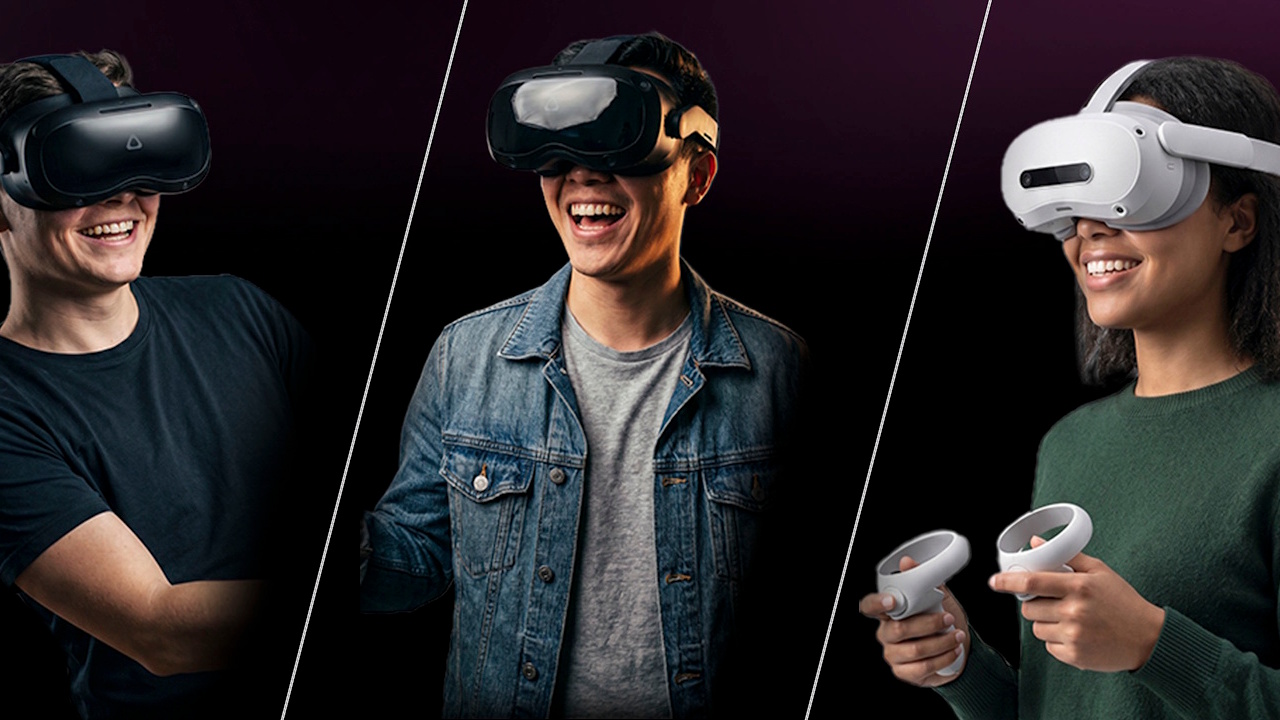
VR places participants inside an entirely different environment, allowing them to interact with digital worlds as if they were physically present.
This level of immersion creates:
🎮 Active participation
🎯 Focused attention
🚀 Emotional engagement
🤝 Social interaction
🏆 Shared achievement
These qualities make VR particularly effective for events, exhibitions, product launches, and team-building activities.
Participants aren’t just attending.
They are experiencing.
Why Businesses Are Investing in Experience-Led Events
The most successful events today aren’t necessarily the largest or most expensive.
They’re the ones people remember.
Whether the goal is:
- Strengthening teams
- Launching products
- Entertaining clients
- Driving engagement
- Building brand awareness
Immersive experiences help organisations create meaningful moments that stand out from traditional event formats.
Because when people remember an experience, they are far more likely to remember the brand, business, or organisation behind it.
The Future Is Experience Driven
Consumer expectations continue to evolve.
People increasingly seek experiences that are:
✅ Interactive
✅ Personal
✅ Social
✅ Memorable
Businesses that embrace this shift have an opportunity to create stronger relationships with customers, employees, and event attendees.
The future belongs to organisations that don’t simply communicate information.
It belongs to those that create experiences.
Turning Moments Into Memories
At their core, immersive experiences succeed because they combine engagement, emotion, interaction, and participation into a single moment.
Those moments become stories.
Those stories become memories.
And those memories are what people carry with them long after an event, attraction, or activity has ended.
Whether you’re planning a corporate event, exhibition, product launch, visitor attraction, or team-building experience, creating memorable experiences is one of the most powerful ways to connect with your audience.
Ready to Create Immersive Experiences?
At Immersive Studio, we help brands, venues, and organisations create unforgettable experiences through Virtual Reality, immersive technology, and interactive entertainment.
👉 Explore our Free Roam VR solutions and VR Hosted Events at Immersive Studio.
or get in touch to discuss your requirements